



Gaza’s Trash Crisis: A Humanitarian Nightmare Amidst Global Inaction
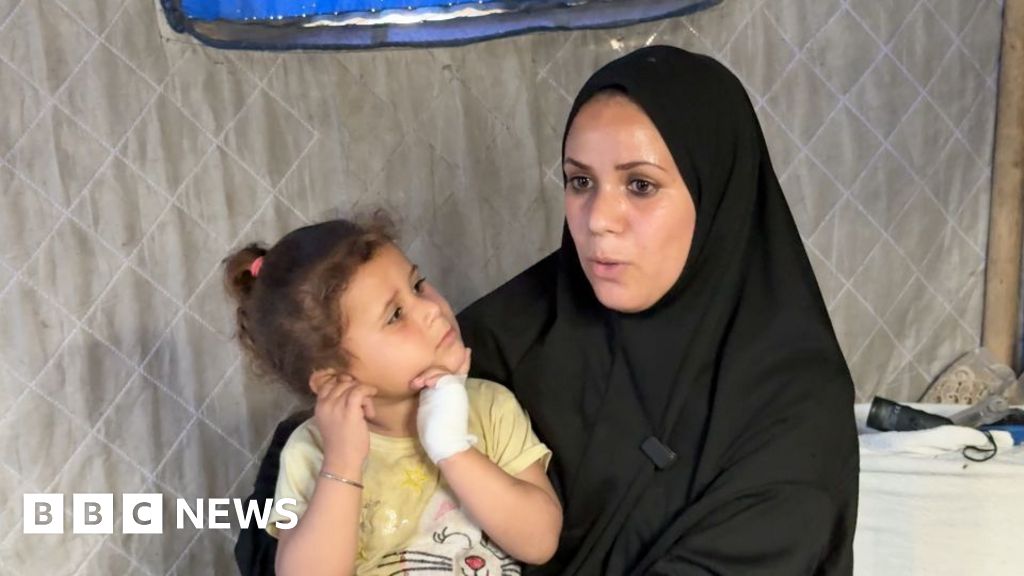
As dusk falls over Gaza City, the stench of rotting waste mingles with the cries of children. Rizq Abu Laila, father of four, sits in his makeshift home, clutching a flashlight. “We cannot sleep,” he says, his voice trembling. “If we sleep, the weasels and rats bite the children. There are so many—an abnormal number.” His youngest child battles cancer, a condition worsened by the unsanitary conditions. Behind their home looms a vast rubbish dump, a grim symbol of Gaza’s deepening humanitarian crisis. This is not just a local problem; it is a stark reminder of how conflict and systemic neglect can spiral into global health and security threats.
The Trash Crisis: A Symptom of Collapsed Infrastructure
Gaza’s waste management system has been in dire straits for years, crippled by a blockade, chronic electricity shortages, and insufficient funding. The rubbish dump next to Abu Laila’s home is one of many overflowing sites across the territory, which has been under Israeli and Egyptian restrictions since 2007. With garbage trucks unable to operate consistently and recycling facilities non-existent, trash piles up unchecked. The situation has reached a tipping point, with rodents and pests proliferating at alarming rates, posing severe health risks to Gaza’s 2.3 million residents.
The crisis is not merely environmental—it is a public health emergency. Diseases such as cholera, typhoid, and dysentery thrive in such conditions, and Gaza’s already overburdened healthcare system is ill-equipped to handle outbreaks. Children, like Abu Laila’s, are particularly vulnerable, their immune systems compromised by malnutrition and lack of access to clean water.
Global Context: A Microcosm of Broader Issues
Gaza’s trash crisis is emblematic of broader global challenges. Across conflict zones worldwide, from Yemen to Syria, collapsing infrastructure and inadequate aid have created similar humanitarian disasters. The United Nations estimates that over 80% of people in protracted crises live in urban areas, where waste management systems are often the first to fail.
This issue also highlights the interconnectedness of modern global crises. Diseases originating in one region can quickly spread across borders, especially in an era of high mobility and climate change. Gaza’s plight serves as a warning: neglecting humanitarian crises in conflict zones can have far-reaching consequences, undermining global health security and fueling instability.
Why It Matters: Implications for Global Security
The trash crisis in Gaza is not just a local tragedy; it is a global security concern. Unsanitary conditions breed disease, which can spill over into neighboring countries, including Egypt and Israel. Such outbreaks strain regional healthcare systems and exacerbate tensions in an already volatile area.
Moreover, humanitarian crises erode trust in institutions and fuel desperation, creating fertile ground for extremism and migration pressures. As the world grapples with rising conflicts and climate-induced displacement, addressing crises like Gaza’s becomes imperative to prevent further destabilization.
The Role of the International Community
The international community has repeatedly called for solutions to Gaza’s humanitarian woes, but concrete action remains elusive. Aid organizations face immense challenges, from funding shortages to restrictions on importing equipment and materials. Diplomatic efforts to ease the blockade have stalled, leaving residents trapped in a cycle of poverty and neglect.
Experts argue that a sustainable solution requires not only immediate aid but also long-term investments in infrastructure and healthcare. “Band-aid fixes won’t work,” says Dr. Leila Sadat, a global health expert. “We need a coordinated international effort to address the root causes of these crises, from infrastructure collapse to political gridlock.”
The Human Cost
Behind the statistics lie countless stories of suffering. Abu Laila’s family is just one of thousands enduring the fallout of Gaza’s trash crisis. His four children, particularly his youngest battling cancer, face daily hazards that no child should endure. “We are living in a nightmare,” he says. “Every day, we fight to survive.”
These personal stories underscore the urgency of the situation. Gaza’s residents are not just statistics; they are human beings caught in a web of systemic failures and geopolitical complexities.
A Call to Action
As the world grapples with multiple crises—from pandemics to climate change—the plight of Gaza’s residents serves as a stark reminder of the interconnectedness of global challenges. Ignoring their suffering is not just a moral failing; it is a strategic mistake with far-reaching implications.
The international community must act decisively to address Gaza’s humanitarian crisis, not only to alleviate the suffering of its residents but also to safeguard global health and security. The alternative—inaction—risks perpetuating cycles of despair and instability that could reverberate far beyond Gaza’s borders.
In the end, Abu Laila’s words echo a universal truth: “No one deserves to live like this.” The world must listen—and act—before it’s too late.
