



Escalating Tensions Threaten Fragile Gulf Ceasefire
In a region already marred by decades of conflict, the latest escalation between the United States and Iran has raised alarms over the future of a precarious ceasefire in the Gulf. Diplomatic efforts, painstakingly brokered over months, now hang by a thread as both nations intensify their rhetoric and military posturing. The stakes are high: a breakdown in diplomacy could plunge the Middle East—and by extension, the world—into deeper instability, disrupt global energy supplies, and reignite proxy conflicts that have already claimed countless lives.
A Ceasefire Under Strain
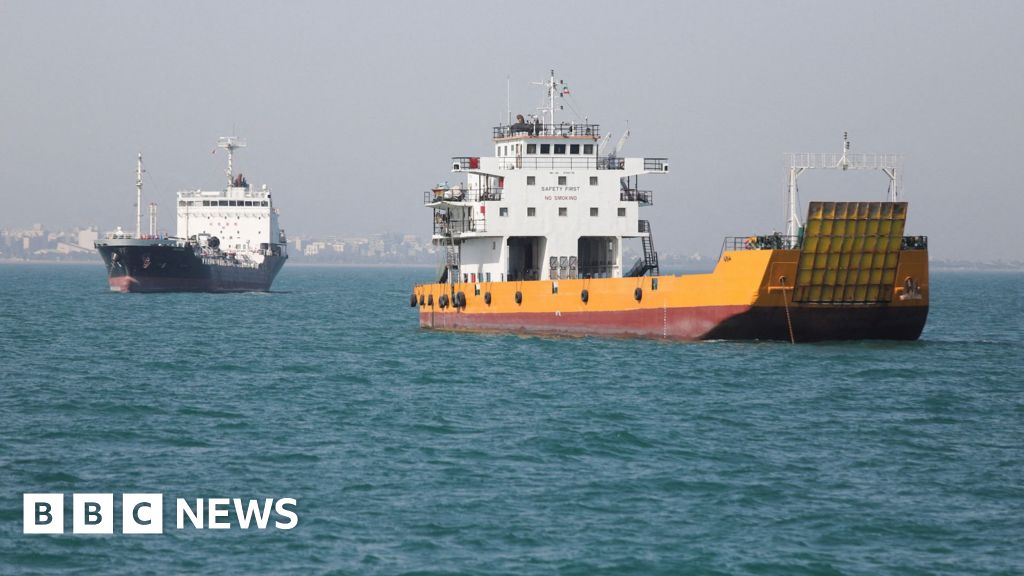
The ceasefire, which has offered a tenuous respite in the Gulf region, was designed to de-escalate tensions following years of animosity between Washington and Tehran. However, recent actions by both sides have undermined this fragile truce. The U.S. has ramped up sanctions targeting Iran’s oil exports, while Tehran has responded with inflammatory statements and military drills in strategic waterways, including the Strait of Hormuz—a vital artery for global oil shipments.
This tit-for-tat approach has alarmed international observers, who fear that miscalculations or provocations could spiral into open conflict. The ceasefire, though imperfect, represented a rare moment of tentative cooperation in a region where mistrust runs deep. Its potential collapse threatens to erase the modest gains made in recent months.
The Global Context
The U.S.-Iran standoff is not merely a bilateral dispute; it is a geopolitical flashpoint with far-reaching consequences. The Gulf region is a linchpin of the global economy, accounting for nearly a third of the world’s oil production. Any disruption to the flow of oil—whether through military conflict, blockades, or sanctions—could send shockwaves through the international markets, driving up energy prices and exacerbating inflation in economies still recovering from the pandemic.
Moreover, the rivalry between Washington and Tehran has fueled proxy wars across the Middle East, from Yemen to Syria to Iraq. These conflicts have displaced millions, strained humanitarian resources, and destabilized entire nations. The ceasefire offered a glimmer of hope for reducing violence in these hotspots, but its erosion could reignite hostilities, further destabilizing a region already grappling with political and economic crises.
Why It Matters Globally
The implications of a renewed U.S.-Iran crisis extend far beyond the Middle East. For one, it complicates the efforts of global powers to address pressing challenges such as climate change, nuclear proliferation, and the war in Ukraine. Diplomatic bandwidth is finite, and renewed tensions in the Gulf risk diverting attention and resources away from other critical issues.
Additionally, the crisis has the potential to reshape global alliances. U.S. allies in Europe and Asia, already wary of Washington’s assertive foreign policy, may grow increasingly reluctant to support American initiatives in the region. Meanwhile, Iran’s partnerships with Russia and China could deepen, creating new geopolitical fault lines.
For the international community, the situation underscores the urgent need for diplomacy. The alternative—escalation—could have catastrophic consequences, not only for the Middle East but for the world at large.
A Path Forward?
Despite the daunting challenges, there are still avenues for de-escalation. Diplomatic channels, though strained, remain open. Regional actors, including Gulf states and European powers, have a vested interest in preventing further conflict and could play a mediating role. Multilateral institutions like the United Nations also have a critical part to play in facilitating dialogue and promoting peace.
However, time is of the essence. The longer tensions persist, the greater the risk of miscalculation or unintended escalation. Both the U.S. and Iran must recognize that their actions have consequences far beyond their borders and that a return to diplomacy is in the interest of global stability.
A Global Call for Restraint
The fragility of the Gulf ceasefire serves as a stark reminder of the delicate balance that underpins international peace. In an interconnected world, the ripple effects of regional conflicts can be felt across continents, affecting economies, security, and the lives of billions. The U.S.-Iran standoff is not just a bilateral dispute; it is a global issue that demands a global response.
As tensions mount, the international community must rally around the principles of dialogue and compromise. The alternative—a return to open conflict—is a prospect too grim to contemplate. The question now is whether cooler heads will prevail, or whether the world will once again be drawn into the vortex of war. The stakes could not be higher.
