



Global Tensions Rise as China and Iran Hold High-Stakes Talks Amid Escalating Conflict
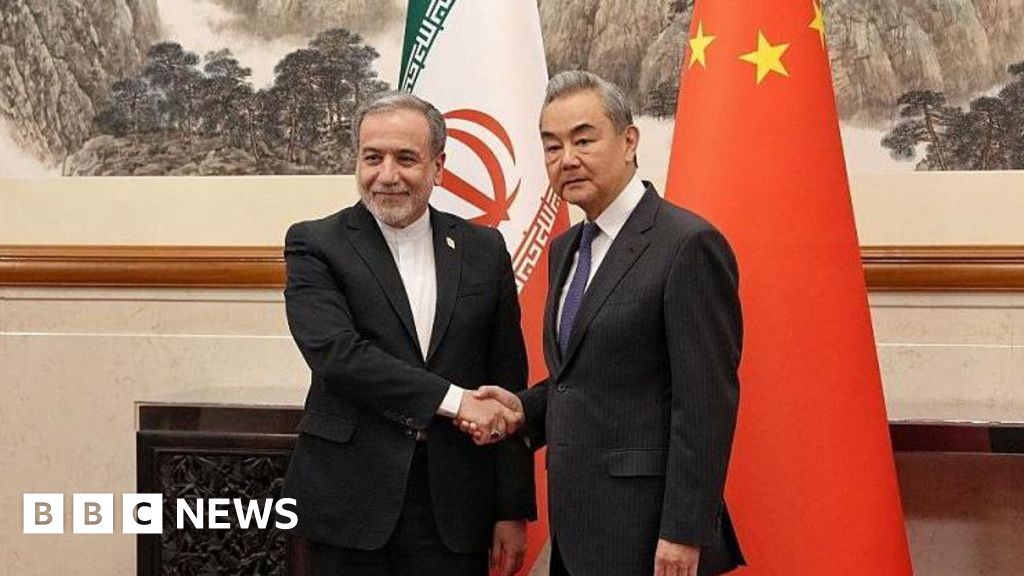
Beijing, China – As the world teeters on the brink of a widening geopolitical crisis, Chinese Foreign Minister Wang Yi met with Iran’s Deputy Foreign Minister Abbas Araghchi in Beijing, marking the first high-level diplomatic engagement between the two nations since the outbreak of a devastating regional war. The closed-door discussions, held against a backdrop of escalating violence and shifting alliances, signal a potential recalibration of power in a conflict that threatens to draw in global superpowers.
A Meeting of Strategic Partners
The talks between Wang Yi and Araghchi come at a critical juncture, with Iran seeking to bolster international support amid mounting pressure from Western powers. China, a long-standing economic and political ally of Tehran, has carefully navigated its role in the crisis, balancing its strategic interests with calls for de-escalation.
Observers note that Araghchi’s visit underscores Iran’s urgent need for diplomatic backing as it faces economic sanctions, military threats, and internal unrest. Meanwhile, China—embroiled in its own tensions with the U.S. and Europe—views the partnership as a counterweight to Western influence in the Middle East.
Global Context: A Fragile Balance of Power
The conflict, which began with a localized flare-up, has rapidly evolved into a proxy battleground involving global powers. The U.S. and its allies have condemned Iran’s role in the hostilities, while Russia and China have resisted calls for punitive measures, advocating instead for dialogue.
The stakes are extraordinarily high. A further escalation could disrupt global energy supplies, trigger mass refugee movements, and destabilize already volatile regions. With oil prices fluctuating and diplomatic channels strained, the international community watches nervously for any sign of a breakthrough—or further deterioration.
Why This Meeting Matters
- Economic Implications – Iran relies heavily on Chinese trade to circumvent U.S. sanctions. Any agreements reached could either ease Tehran’s economic isolation or provoke further retaliation from Washington.
- Military Calculations – If China strengthens its support for Iran, it could embolden Tehran’s regional proxies, risking a direct confrontation with Israel or Gulf states.
- Diplomatic Fallout – The talks may signal a shift in Beijing’s foreign policy, positioning China as a mediator—or a spoiler—in future peace efforts.
Human Cost and Regional Instability
Beyond geopolitics, the war has exacted a horrific humanitarian toll. Thousands have been killed, cities lie in ruins, and millions face displacement. The involvement of major powers risks prolonging the suffering, with no clear path to resolution.
China’s engagement could either help de-escalate tensions or deepen the divide, depending on whether it pushes for restraint or tacitly endorses Iran’s stance.
What Comes Next?
Neither side has disclosed specific outcomes from the meeting, but analysts suggest discussions likely centered on economic cooperation, security assurances, and potential ceasefire negotiations. The absence of immediate inflammatory rhetoric offers a glimmer of hope, but history warns that such conflicts rarely resolve without further bloodshed.
A World on Edge
As global powers jockey for influence, the Beijing talks serve as a stark reminder of how quickly regional conflicts can spiral into international crises. The choices made in the coming days—whether through diplomacy or escalation—will reverberate far beyond the Middle East, shaping the future of global security.
For now, the world holds its breath, waiting to see whether dialogue or destruction will prevail.
