



Israeli Forces Intercept Activist Flotilla Near Greece, Detain Key Organizers
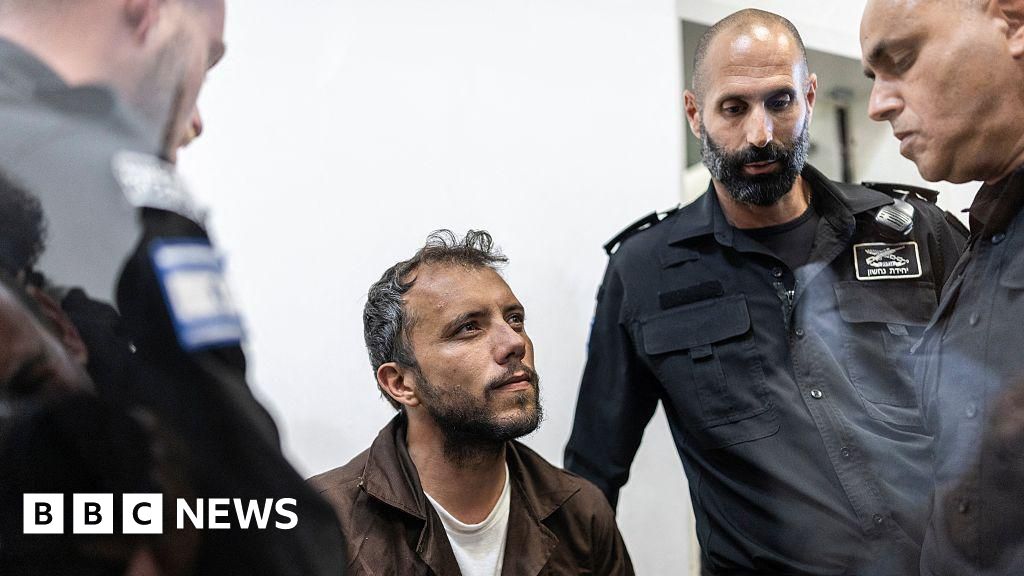
Athens, Greece — In a dramatic maritime confrontation last week, Israeli forces intercepted a flotilla of activist boats near the coast of Greece, detaining two prominent organizers, Thiago Ávila and Saif Abu Keshek. The incident, which unfolded in international waters, has drawn widespread attention from human rights groups and governments alike, reigniting debates over Israel’s naval blockade of Gaza and the broader implications for global security and freedom of navigation.
The Interception: A High-Stakes Maritime Standoff
The flotilla, composed of civilian vessels carrying activists and humanitarian aid, was en route to the Gaza Strip when it was intercepted by Israeli naval units. According to eyewitness accounts and statements from organizers, the operation involved multiple Israeli ships and helicopters, which surrounded the flotilla and forced it to halt. Thiago Ávila, a Brazilian activist known for his involvement in humanitarian missions, and Saif Abu Keshek, a Palestinian organizer associated with the Gaza-based Al-Awda movement, were among those detained. Both individuals were reportedly taken into custody and transported to an undisclosed location for questioning.
The Israeli military defended the operation, stating that the flotilla posed a security risk and was attempting to breach the maritime blockade of Gaza, which Israel has enforced since 2007. “The State of Israel has the right to defend its borders and maritime sovereignty,” read a statement from the Israeli Defense Forces (IDF). “Any attempt to violate the blockade will be met with the necessary measures.”
Global Context: Gaza and the Maritime Blockade
The interception of the flotilla is the latest chapter in a long-standing geopolitical conflict centered on Gaza. Israel’s blockade, imposed in collaboration with Egypt, restricts the flow of goods and people in and out of the coastal enclave, citing security concerns over Hamas, the militant group that governs Gaza. Critics, however, argue that the blockade has exacerbated a humanitarian crisis, depriving Gaza’s 2.3 million residents of essential supplies, including food, fuel, and medical equipment.
This incident echoes a similar confrontation in 2010, when Israeli forces raided the Mavi Marmara, a Turkish-led flotilla, resulting in the deaths of nine activists and a severe diplomatic rift between Israel and Turkey. While last week’s interception did not result in casualties, it has nonetheless reignited tensions and drawn condemnation from Palestinian leaders and international human rights organizations.
Humanitarian Activism and Its Challenges
The detained organizers, Thiago Ávila and Saif Abu Keshek, are emblematic of a growing global movement seeking to challenge Israel’s policies through nonviolent means. Ávila, a veteran of numerous humanitarian missions, has been a vocal advocate for Palestinian rights, while Abu Keshek has worked closely with grassroots organizations in Gaza to raise awareness of the blockade’s impact on daily life.
Their detention has sparked outrage among activists and supporters, who argue that the interception undermines the principles of international law and freedom of expression. “This is not just an attack on Thiago and Saif; it’s an attack on the right to peaceful protest and humanitarian aid,” said a spokesperson for the Freedom Flotilla Coalition, the umbrella organization behind the mission.
Why This Matters: A Global Perspective
The interception of the flotilla carries significant implications for global security and international relations. It highlights the ongoing conflict in the Middle East and the challenges of addressing humanitarian crises in contested territories. Moreover, it raises questions about the enforcement of maritime law and the rights of civilians in international waters, issues that resonate far beyond the Mediterranean.
For the international community, the incident serves as a stark reminder of the complexities surrounding Gaza and the broader Israeli-Palestinian conflict. It underscores the urgent need for diplomatic efforts to address the humanitarian situation in Gaza while balancing Israel’s legitimate security concerns.
Human rights organizations have called for an independent investigation into the interception and the treatment of the detainees. “The international community must hold Israel accountable for its actions and ensure that humanitarian activists are protected,” said Amnesty International in a statement.
The Road Ahead: Diplomatic and Humanitarian Challenges
As tensions simmer, the focus now shifts to the diplomatic and humanitarian fallout from the incident. The detainees’ families and supporters are pushing for their immediate release, while Palestinian leaders are urging the United Nations to intervene. The United States and European Union, key players in the region, have yet to issue formal statements, though observers anticipate that the incident will feature prominently in upcoming discussions on Middle East peace efforts.
In the meantime, the Freedom Flotilla Coalition has vowed to continue its missions, asserting that the struggle for Palestinian rights will not be deterred by such setbacks. “We will not be silenced,” declared a coalition representative. “The world must see the truth of what is happening in Gaza.”
Conclusion: A Call for Accountability and Compassion
The interception of the activist flotilla near Greece is more than a maritime incident; it is a microcosm of the enduring conflict in the Middle East and the global struggle for justice and human rights. As Thiago Ávila and Saif Abu Keshek remain in detention, their plight serves as a poignant reminder of the sacrifices made by those who dare to challenge injustice.
In a world increasingly defined by division and conflict, this incident calls for a renewed commitment to dialogue, compassion, and accountability. The international community must navigate these turbulent waters with care, ensuring that the principles of human rights and international law remain steadfast, even in the face of complex and contentious challenges. The story of this flotilla is far from over, and its resolution will shape the future of global activism and diplomacy for years to come.
