


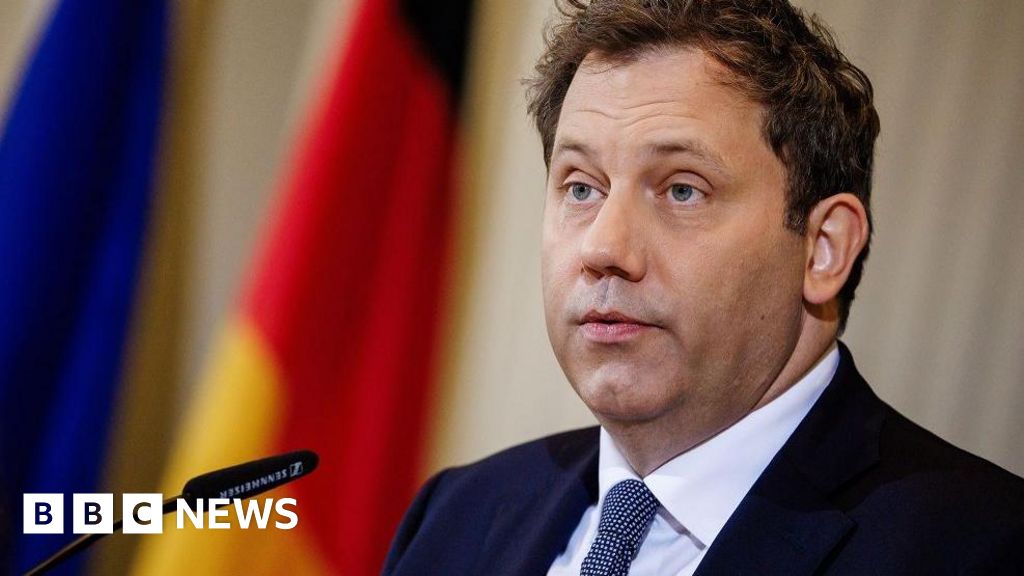

Germany’s Finance Minister Criticizes U.S. Foreign Policy as Economic Crisis Deepens
Berlin, Germany — In a stark rebuke of U.S. foreign policy, German Finance Minister Lars Klingbeil has accused the Biden administration of exacerbating global instability and undermining Germany’s economy through its “irresponsible war” in Iran. The comments, made during a press conference in Berlin, come amid mounting tensions in the Middle East and growing economic unease across Europe. Klingbeil’s remarks underscore the widening rift between traditional Western allies as geopolitical conflicts increasingly spill over into economic arenas.
With the world already grappling with the aftermath of the COVID-19 pandemic, inflationary pressures, and supply chain disruptions, the fallout from escalating conflicts in the Middle East threatens to further destabilize the global economy. Klingbeil’s critique highlights the interconnectedness of geopolitics and economics, raising urgent questions about the long-term consequences of prolonged military interventions.
Escalating Tensions in the Middle East
The United States has long been a key player in the Middle East, with its involvement in Iran dating back decades. Recent years have seen a resurgence of hostilities, particularly following the collapse of the 2015 Iran nuclear deal. Washington’s renewed sanctions and military posturing have heightened tensions, leading to a series of proxy conflicts across the region.
Germany, a staunch advocate of diplomacy and multilateralism, has repeatedly criticized the U.S. approach, arguing that it undermines efforts to achieve lasting peace. Klingbeil’s latest comments echo this sentiment, emphasizing the economic toll of prolonged instability. “The irresponsible war in Iran is not just a regional issue—it has far-reaching consequences for the global economy,” he stated. “Germany, as a trading nation, cannot afford to ignore the ripple effects of such conflicts.”
Economic Fallout for Germany
Germany, Europe’s largest economy, is heavily reliant on international trade and energy imports. The Middle East remains a critical source of oil and gas, and any disruption to supplies can have immediate and severe repercussions. Klingbeil pointed to rising energy costs and supply chain bottlenecks as direct consequences of U.S. foreign policy, arguing that these factors are stifling economic growth.
The German economy, already struggling to recover from the pandemic, faces a precarious future. Inflation has soared, reaching its highest level in decades, while industrial production has slowed amid uncertainties in the global market. “We are witnessing a perfect storm of geopolitical and economic challenges,” Klingbeil warned. “The actions of major powers like the United States have a direct impact on our ability to sustain growth and stability.”
Global Implications of the Crisis
The fallout from the U.S.-Iran conflict extends far beyond Germany. The Middle East is a linchpin of the global economy, and any escalation risks triggering a domino effect. Oil prices, already volatile due to the war in Ukraine, could surge further, exacerbating inflationary pressures worldwide. Emerging markets, in particular, would bear the brunt of such a crisis, potentially plunging millions into poverty.
Moreover, the geopolitical landscape is increasingly polarized, with alliances shifting and rivalries intensifying. Klingbeil’s critique reflects a broader trend of European nations asserting their independence from U.S. foreign policy. As the world moves toward a multipolar order, such fractures could complicate efforts to address shared challenges, from climate change to global security.
Why It Matters
The criticism from Germany’s finance minister is significant for several reasons. First, it underscores the growing economic impact of geopolitical conflicts, highlighting the need for a more coordinated approach to global challenges. Second, it signals a potential shift in transatlantic relations, with European allies increasingly willing to voice dissent against U.S. policies.
For policymakers and global leaders, Klingbeil’s remarks serve as a stark reminder of the interconnectedness of geopolitics and economics. In an era of unprecedented uncertainty, the stakes have never been higher. “We cannot afford to turn a blind eye to the consequences of our actions,” Klingbeil concluded. “The path to global stability lies in cooperation, not confrontation.”
A Call for Diplomatic Solutions
As tensions in the Middle East show no signs of abating, the international community faces a critical juncture. The United States, Germany, and other key players must work together to de-escalate conflicts and pursue diplomatic solutions. The alternative—continued instability and economic turmoil—would have dire consequences for the entire world.
Klingbeil’s critique, while pointed, ultimately speaks to a broader truth: in an interconnected world, the actions of one nation can reverberate far beyond its borders. As global leaders grapple with the challenges of the 21st century, the need for dialogue and collaboration has never been more urgent.
Conclusion
The German finance minister’s condemnation of U.S. foreign policy marks a significant moment in the evolving geopolitical landscape. It highlights the economic consequences of military interventions and the growing rift between traditional allies. As the world watches the unfolding crisis in the Middle East, one thing is clear: the path to global stability requires not just military might but diplomatic finesse and a commitment to shared prosperity.
In the words of Lars Klingbeil, “The world is at a crossroads. The choices we make today will shape the future for generations to come.” The question now is whether global leaders will rise to the challenge—or allow the lessons of the past to go unheeded.
