



Escalating Strikes on Middle Eastern Energy Facilities Threaten Global Stability
Dramatic Opening: A Region on the Brink
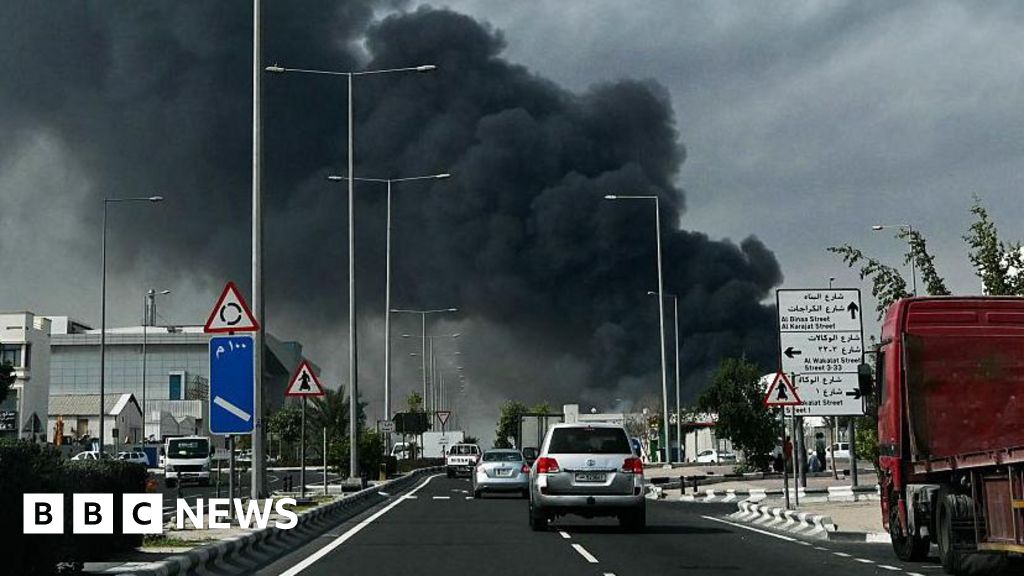
The Middle East is teetering on the edge of a wider conflict as a surge in targeted strikes against energy infrastructure sends shockwaves through global markets. Since the U.S. and Israel launched retaliatory operations against Iran on February 28, more than 80 energy facilities have been hit across the region, with over a third severely damaged, according to the International Energy Agency (IEA). The attacks—spanning Iran, Qatar, Bahrain, Kuwait, Saudi Arabia, and the United Arab Emirates—have raised fears of a prolonged disruption to oil and gas supplies, threatening both regional stability and the fragile post-pandemic economic recovery.
The Scope of the Damage
The strikes, carried out by a combination of drone, missile, and covert operations, have inflicted significant harm on refineries, pipelines, and storage depots. While Iran has borne the brunt of the assaults, Gulf states—including key U.S. allies—have also suffered collateral damage.
- Iran: Over 40 facilities hit, including critical oil terminals in Bandar Abbas and Abadan.
- Qatar: At least three liquefied natural gas (LNG) plants disrupted, raising concerns over European energy supplies.
- Saudi Arabia & UAE: Multiple refineries damaged, though production remains partially operational.
- Bahrain & Kuwait: Smaller-scale attacks reported, with minor disruptions.
The IEA warns that prolonged instability could push oil prices above $100 per barrel, exacerbating inflation in energy-dependent economies.
Why This Matters Globally
The Middle East supplies nearly a third of the world’s oil and a fifth of its natural gas. Any sustained disruption risks:
- Economic Shockwaves: Higher fuel prices could stall growth in recovering economies.
- Geopolitical Fallout: Escalation may draw in other powers, including Russia and China.
- Humanitarian Impact: Energy shortages could worsen living conditions in conflict zones like Yemen and Syria.
The attacks also underscore the growing use of asymmetric warfare, where drones and precision strikes allow smaller actors to inflict disproportionate damage.
Root Causes: A Cycle of Retaliation
The February 28 strikes were a response to Iran-backed militia attacks on U.S. bases in Iraq and Syria, as well as Houthi missile launches targeting Israel. However, the conflict has deeper roots:
- U.S.-Iran Tensions: Stalled nuclear talks and sanctions have fueled proxy conflicts.
- Israel’s Security Concerns: Tehran’s support for Hezbollah and Hamas keeps hostilities simmering.
- Gulf State Dilemmas: While Saudi Arabia and the UAE seek de-escalation, they remain vulnerable to spillover violence.
With no diplomatic breakthrough in sight, the risk of further escalation remains high.
Global Reactions and Next Steps
- U.S. & Allies: Washington has pledged to protect energy flows but avoids direct war with Iran.
- China & Russia: Both have called for restraint while quietly expanding influence in the region.
- OPEC+: Emergency meetings may be needed if output drops further.
The UN Security Council is expected to convene, though past divisions suggest limited action.
Conclusion: A Fragile Future
As smoke rises from bombed-out refineries, the world watches nervously. The Middle East’s energy arteries are under siege, and with them, the stability of global markets. Unless cooler heads prevail, what began as targeted strikes could spiral into a broader confrontation—one the world can ill afford. For now, the only certainty is uncertainty.
