


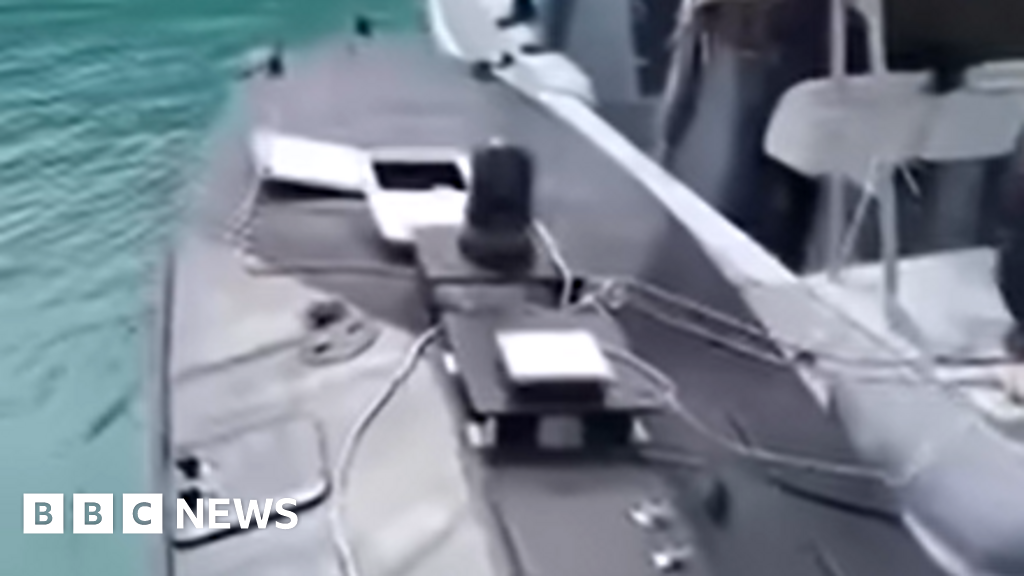

Mystery Drone Incident in Greece Sparks Global Security Concerns
In the predawn hours of September 28, 2023, residents of a rural area in Greece were jolted awake by the sound of an explosion. A drone, reportedly carrying explosives, had crashed in a field near the town of Larissa, raising alarms across the region. Greek media sources suggest the unmanned aerial vehicle (UAV) may have originated from Ukraine or could be linked to the ongoing Russia-Ukraine conflict. This incident has sent shockwaves through the global security community, as it underscores the expanding reach of modern warfare and the escalating risks of drone technology in conflict zones and beyond.
The Incident: What Happened?
According to preliminary reports, the drone was discovered by local farmers who heard a loud explosion upon impact. Greek authorities were quick to cordon off the area, with bomb disposal units dispatched to assess the situation. The device, described as a small, reconnaissance-style drone, was found to contain trace amounts of explosive material, though it remains unclear whether the explosives were deployed or intended for detonation.
Investigators are working to determine the drone’s origin and flight path. While no group or nation has claimed responsibility, Greek media outlets have speculated that the UAV could be tied to the Russia-Ukraine conflict, where drones have become a central weapon in both offensive and defensive operations. Alternatively, the drone may have been part of Ukrainian military exercises or testing, straying far from its intended path.
Global Context: The Rise of Drone Warfare
The incident in Greece is not an isolated event but rather part of a broader trend in modern warfare. Over the past decade, drones have evolved from niche surveillance tools to powerful weapons capable of precision strikes, espionage, and psychological warfare. The Russia-Ukraine war has accelerated this shift, with both sides deploying drones extensively. Ukraine, in particular, has leveraged drones to target Russian military infrastructure, while Russia has used them for surveillance and strikes on Ukrainian cities.
Beyond Ukraine, drones have become a staple in conflicts across the Middle East, Africa, and Asia. Non-state actors, including terrorist organizations, have also adopted drone technology, raising concerns about their proliferation and misuse. The ease of acquiring and operating drones, coupled with their relatively low cost, has made them a formidable threat to both military and civilian targets.
The Greece incident highlights the global implications of drone warfare. As conflicts spill beyond traditional borders, the risk of unintended incidents—such as rogue drones straying into neutral or allied territories—poses a significant challenge to international security.
Why This Matters: A Global Security Issue
The appearance of a potentially armed drone in Greece is a stark reminder of the interconnected nature of modern conflicts. The incident raises critical questions about airspace security, the regulation of drone technology, and the potential for escalation in geopolitical tensions.
For Greece, a NATO member state, the drone’s presence is particularly concerning. While there is no evidence suggesting an intentional targeting of Greek territory, the incident underscores the vulnerability of NATO’s southern flank. It also highlights the broader issue of how nations can protect their airspace from increasingly sophisticated drone threats.
Globally, the incident serves as a wake-up call for policymakers and defense experts. The proliferation of drone technology, combined with its dual-use nature—for both civilian and military purposes—poses a complex challenge. The line between state-sponsored operations and rogue actors is often blurry, complicating efforts to hold perpetrators accountable.
Moreover, the incident underscores the need for international cooperation on drone regulation. While efforts are underway to establish global norms for drone use—particularly in conflict zones—progress has been slow. The Greece incident could galvanize further action, but it also highlights the urgency of addressing this issue before more serious incidents occur.
Moving Forward: Implications and Next Steps
As Greek authorities continue their investigation, the international community will be watching closely. The incident could prompt NATO and other global security organizations to reassess their strategies for countering drone threats. This includes investing in detection and interception technologies, as well as strengthening international frameworks to prevent the misuse of drones.
For Ukraine and Russia, the incident serves as a reminder of the far-reaching consequences of their ongoing conflict. While both nations have focused on the battles within Ukraine’s borders, the global fallout—whether in the form of stray drones, refugees, or economic disruption—cannot be ignored.
Conclusion: A Call for Vigilance and Action
The drone incident in Greece is more than a local security issue; it is a microcosm of the broader challenges posed by modern warfare. As conflicts increasingly rely on advanced technologies, the risks of unintended consequences—such as rogue drones or cyberattacks—will only grow.
The global community must act swiftly to address these challenges. This includes bolstering airspace defenses, regulating drone technology, and fostering international cooperation to prevent escalation. The Greece incident is a stark reminder that in today’s interconnected world, no nation is immune to the ripple effects of war. As the line between battlefield and civilian life continues to blur, the need for vigilance and proactive measures has never been greater.
The stakes are high, and the time to act is now. The world cannot afford to wait for the next incident to underscore the urgency of this issue. The drones of today may be small, but their implications are vast—and the world must be prepared to meet them head-on.
