



U.S. and Iran Tensions Escalate as Diplomacy Falters Amid Rising Global Instability
A Dangerous Game of Brinkmanship
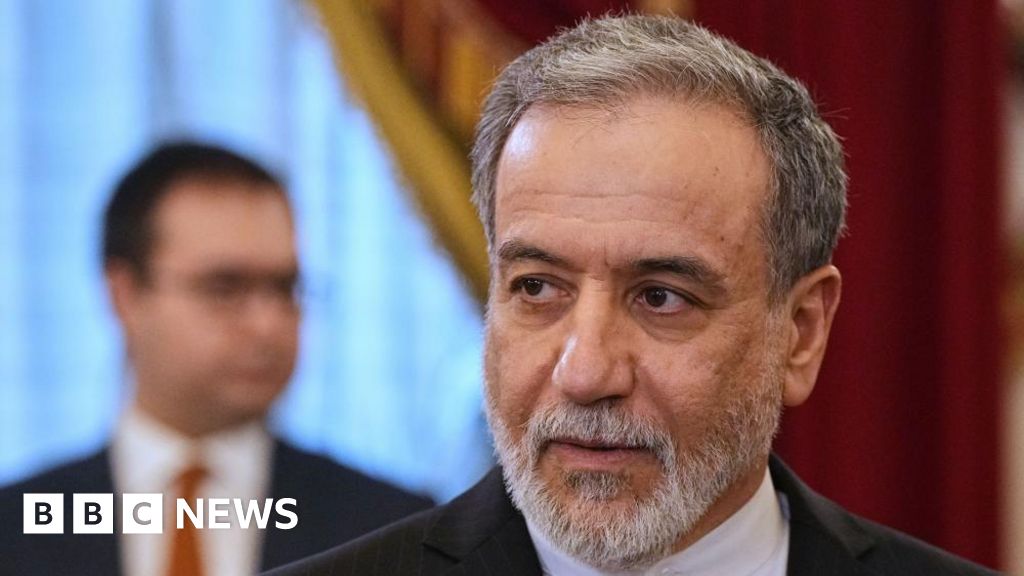
The world is once again on edge as tensions between the United States and Iran flare, threatening to destabilize an already volatile Middle East and test the fragile boundaries of global diplomacy. In a scathing rebuke, Iran’s Foreign Minister, Abbas Araghchi, accused Washington of pursuing “reckless military adventures” instead of peaceful solutions—a stark reminder of the deep mistrust that continues to define relations between the two nations. With both sides locked in a high-stakes standoff, the risk of miscalculation looms large, raising fears of a conflict that could draw in regional allies and reshape international security dynamics.
The Diplomatic Deadlock
The latest exchange comes amid stalled negotiations over Iran’s nuclear program and lingering hostilities following the U.S. withdrawal from the 2015 Joint Comprehensive Plan of Action (JCPOA). Despite repeated calls from European and regional powers for renewed dialogue, Washington and Tehran remain entrenched in their positions. The Biden administration has maintained economic sanctions while pushing for stricter nuclear restrictions, while Iran insists on sanctions relief before any concessions.
Araghchi’s remarks underscore Tehran’s frustration with what it sees as American intransigence. “Every time a diplomatic solution is within reach, the U.S. opts for confrontation,” he declared, alluding to past military actions, including the 2020 assassination of top Iranian general Qasem Soleimani. His words reflect a broader narrative in Iran—one that paints the U.S. as an unreliable negotiating partner, unwilling to engage in good faith.
Global Implications of Escalation
The standoff is not merely a bilateral issue—it has far-reaching consequences for global security. The Middle East remains a powder keg, with proxy conflicts in Yemen, Syria, and Iraq exacerbating regional instability. Any direct confrontation between the U.S. and Iran could trigger a chain reaction, drawing in Israel, Saudi Arabia, and other Gulf states.
Moreover, the crisis threatens to derail international efforts to curb nuclear proliferation. If Iran accelerates its uranium enrichment in response to U.S. pressure, it could prompt neighboring states, such as Saudi Arabia and Turkey, to pursue their own nuclear capabilities—a scenario that would dramatically alter the region’s strategic balance.
Energy markets are also at risk. Iran is a major oil producer, and renewed hostilities could disrupt global supplies, sending shockwaves through economies still recovering from pandemic-induced volatility. Europe, heavily reliant on stable energy flows, would face immediate repercussions, while rising oil prices could further stoke inflation worldwide.
A History of Mistrust and Missed Opportunities
The current tensions are rooted in decades of hostility. The 1979 Iranian Revolution and subsequent U.S. embassy hostage crisis severed diplomatic ties, setting the stage for decades of covert operations, sanctions, and proxy conflicts. The 2015 nuclear deal briefly offered hope for détente, but former President Donald Trump’s withdrawal in 2018 and reimposition of sanctions shattered that fragile progress.
Since then, Iran has gradually breached JCPOA limits, enriching uranium to near-weapons-grade levels while expanding its ballistic missile program. The Biden administration has sought to revive the agreement, but domestic political pressures in both nations—hardliners in Iran and Republican opposition in the U.S.—have complicated efforts.
Why This Matters Beyond the Middle East
The U.S.-Iran standoff is a litmus test for global diplomacy at a time when multilateral cooperation is increasingly strained. If negotiations fail, it could embolden other adversarial states, such as North Korea, to dismiss diplomatic solutions in favor of military posturing. Additionally, the crisis underscores the limitations of unilateral sanctions as a tool of foreign policy, with critics arguing that economic pressure alone rarely achieves lasting political change.
For ordinary Iranians, the stalemate means deepening economic hardship, with inflation and unemployment soaring under U.S. sanctions. Meanwhile, American policymakers must weigh the risks of escalation against the strategic imperative of preventing a nuclear-armed Iran.
A Path Forward—Or a Descent Into Conflict?
Despite the grim outlook, some analysts argue that neither side truly wants war. The U.S. remains wary of another costly Middle Eastern entanglement, while Iran’s leadership knows that direct conflict could be existential. Backchannel talks, mediated by European or Gulf states, may still offer a way out.
Yet time is running short. With Iran’s nuclear advancements narrowing the window for diplomacy, and hardliners on both sides growing louder, the world may soon face a stark choice: a return to negotiations or a dangerous slide toward confrontation.
The Stakes Could Not Be Higher
As the U.S. and Iran circle each other warily, the international community watches with bated breath. The fallout from a military clash would extend far beyond the Persian Gulf, destabilizing global markets, reshaping alliances, and potentially triggering a new era of nuclear uncertainty. For now, the path to peace remains open—but only if both sides choose dialogue over escalation. The alternative is a crisis with no easy exit, and consequences the world may not be ready to face.
