


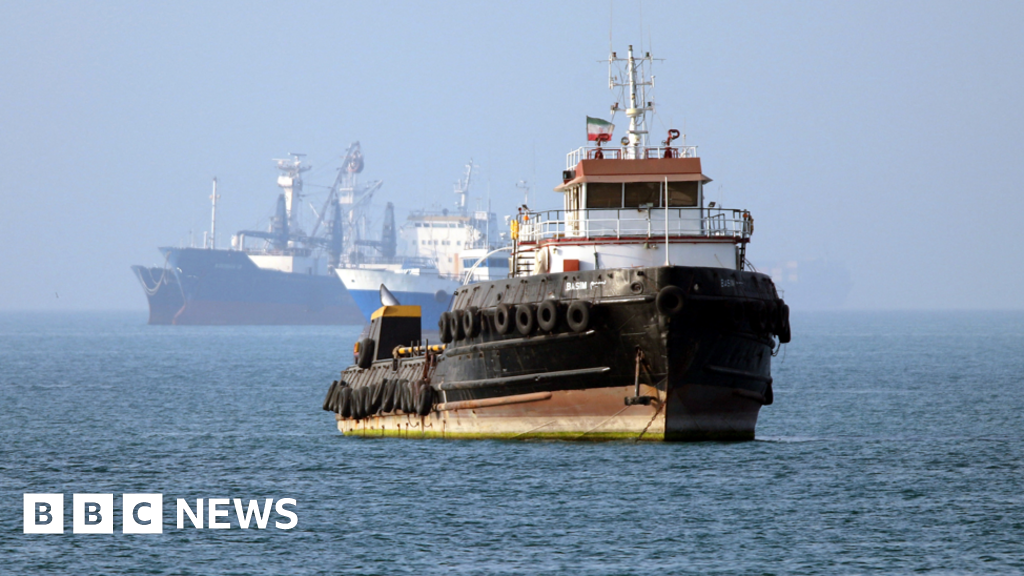

Escalating Tensions in the Middle East: Commercial Vessel Attacked Off Qatar as Drones Target UAE and Kuwait
The Middle East teeters on the brink of heightened conflict as a series of attacks on commercial and strategic assets raise alarms over regional stability. A merchant ship was struck off the coast of Qatar, while the United Arab Emirates (UAE) and Kuwait reported drone incursions, underscoring the fragility of the Persian Gulf’s security landscape. These incidents, occurring within a span of hours, highlight the growing risks to global trade routes and geopolitical equilibrium in a region already grappling with historic tensions.
The Maritime Incident: A Commercial Ship Hit Near Qatar
On [insert date], a commercial vessel was attacked near Qatar’s coastline, marking the latest escalation in a series of maritime incidents in the Persian Gulf. While details remain scarce, reports suggest the ship suffered minor damage, with no immediate casualties reported. The incident occurred in close proximity to vital shipping lanes that facilitate the transport of oil and gas globally, raising concerns about the safety of international trade.
The Persian Gulf is a critical artery for global energy supplies, with approximately one-fifth of the world’s oil passing through its waters. Any disruption to maritime traffic in this region has far-reaching implications for global markets, potentially driving up oil prices and exacerbating inflationary pressures worldwide. The attack on the commercial vessel follows a pattern of maritime provocations in recent years, including the targeting of oil tankers and the seizure of ships by regional actors.
Drone Attacks in the UAE and Kuwait
Simultaneously, the UAE and Kuwait reported drone attacks on their territories, adding to the region’s escalating tensions. In the UAE, authorities intercepted and destroyed a drone that breached its airspace, while Kuwait faced a similar incident involving an unidentified aerial vehicle. Both nations have heightened their security measures in response, signaling growing unease over the frequency and sophistication of such threats.
Drone attacks have become an increasingly common tool in the Middle East’s proxy conflicts, with non-state actors and state-sponsored groups utilizing low-cost, high-impact technologies to destabilize adversaries. The UAE, in particular, has been a frequent target, having faced multiple drone and missile attacks in recent years, often linked to the ongoing conflict in Yemen. The latest incidents underscore the vulnerability of even well-defended nations to asymmetric threats, raising questions about the region’s ability to maintain security in an era of evolving warfare.
Global Context: A Region on Edge
The attacks occur against a backdrop of rising tensions between regional powers and their international allies. The Middle East has long been a hotspot for geopolitical rivalries, with Iran, Saudi Arabia, and Israel playing central roles in shaping the region’s dynamics. The recent incidents come as diplomatic efforts to revive the 2015 Iran nuclear deal remain stalled, exacerbating mistrust between Tehran and Western powers.
Iran’s alleged involvement in maritime attacks and drone operations has been a recurring point of contention. While Tehran denies direct responsibility, Western and Gulf nations have repeatedly accused it of supporting proxy groups that carry out such assaults. The situation is further complicated by the ongoing conflict in Yemen, where Houthi rebels, backed by Iran, have launched attacks on Saudi Arabia and the UAE, contributing to the region’s instability.
Why These Incidents Matter Globally
The implications of these attacks extend far beyond the Middle East. The Persian Gulf is a linchpin of the global economy, and any disruption to its stability reverberates across international markets. Rising tensions in the region could lead to higher energy prices, impacting industries and consumers worldwide at a time when economies are already grappling with the lingering effects of the pandemic and the war in Ukraine.
Moreover, the use of drones and other asymmetric tactics highlights the evolving nature of modern warfare, posing challenges for both regional and global security frameworks. Governments worldwide are increasingly forced to adapt to these threats, investing in advanced defense systems and reevaluating their strategies for deterrence and conflict prevention.
A Call for De-escalation
In the wake of these incidents, calls for de-escalation have grown louder. Regional and international leaders have urged restraint, emphasizing the need for dialogue to prevent further destabilization. The United Nations has reiterated its commitment to fostering peace in the region, while the United States and its allies have pledged to safeguard freedom of navigation in the Persian Gulf.
However, achieving lasting peace remains a daunting task. The Middle East’s complex web of alliances, rivalries, and historical grievances presents a formidable challenge to any diplomatic initiative. Without concerted efforts to address the root causes of conflict, the region risks sliding into deeper chaos, with potentially catastrophic consequences for global security.
Conclusion: A Fragile Balance
As tensions in the Middle East escalate, the world watches with bated breath, acutely aware of the stakes involved. The attacks on a commercial vessel off Qatar and the drone incursions in the UAE and Kuwait are stark reminders of the region’s precarious balance, where a single misstep could ignite a wider conflict. In an interconnected world, the stability of the Persian Gulf is not just a regional concern but a global imperative. The coming days will test the resolve of leaders to navigate this volatile landscape, striving to avert a crisis that could reshape the international order.
