



Global Tensions Rise as Iranian Dissident Speaks Out Amid Crackdown on Free Expression
Tehran, Iran – In the dimly lit confines of a safe house, a young Iranian dissident whispers her despair into a recording device, her voice trembling with exhaustion. “Every day feels like a battle for survival,” she confesses, her identity concealed for fear of reprisal. “The pressure is unbearable—not just the arrests or the threats, but the constant feeling that you’re being watched, that any misstep could destroy your life.” Her story is one of thousands emerging from Iran, where a widening crackdown on dissent has drawn global condemnation and raised urgent questions about human rights, geopolitical stability, and the future of civil resistance in authoritarian regimes.
A Deepening Crisis in Iran
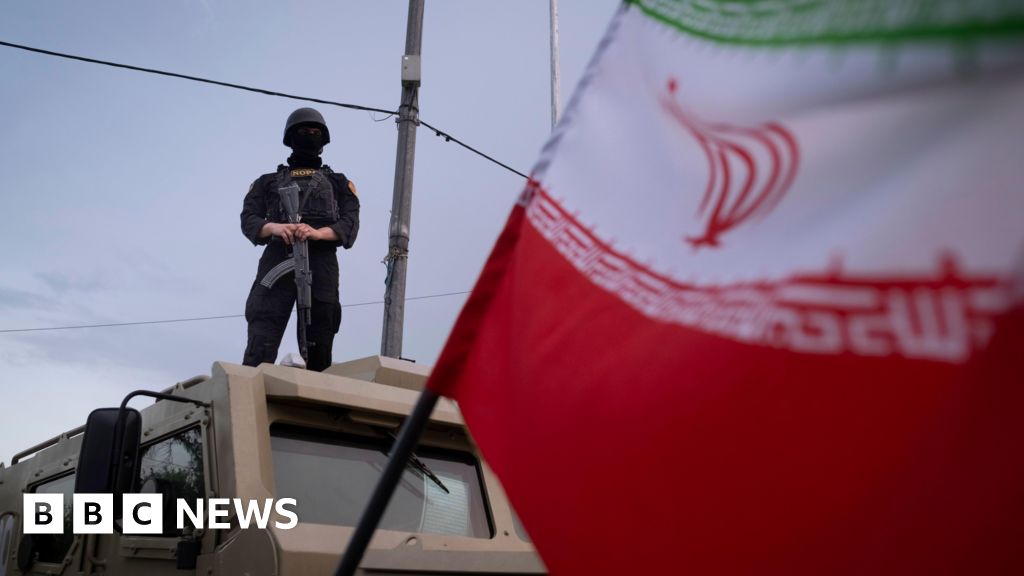
Iran’s government has intensified its suppression of opposition voices in recent months, deploying security forces to quash protests, imprison activists, and silence critics. The dissident’s account reflects a broader pattern of psychological warfare—surveillance, arbitrary detentions, and forced confessions—that has left many feeling isolated and powerless. Reports from human rights organizations indicate a surge in arrests, particularly targeting women, journalists, and minority groups.
The unrest traces back to the 2022 protests following the death of Mahsa Amini, a young woman detained for allegedly violating Iran’s strict hijab laws. Though the mass demonstrations were brutally suppressed, underground networks of dissent persist, fueled by economic hardship and frustration with the regime’s rigid control.
Global Implications of Iran’s Repression
The situation in Iran is not just a domestic issue—it has far-reaching consequences for international security and diplomacy. As Tehran tightens its grip internally, it also projects power abroad, supporting proxy groups in the Middle East and advancing its nuclear program. Western nations, already locked in tense negotiations over Iran’s uranium enrichment activities, now face mounting pressure to address the regime’s human rights abuses.
“The Iranian government’s repression at home directly impacts its foreign policy,” says Dr. Leila Nazari, a Middle East analyst at the International Crisis Group. “When dissent is crushed, hardliners gain more influence, making diplomatic solutions harder to achieve. This could destabilize an already volatile region.”
Meanwhile, Iran’s alliances with Russia and China complicate global responses. Both nations have shielded Tehran from stricter sanctions at the UN, arguing against what they call “interference in sovereign affairs.” This geopolitical maneuvering leaves dissidents with fewer international avenues for support, deepening their vulnerability.
The Human Cost of Resistance
Behind the geopolitical calculations are real lives upended by fear and defiance. The dissident who spoke out describes sleepless nights, severed family ties, and the crushing weight of knowing that friends have disappeared into Iran’s prison system. “You mourn people who are still alive,” she says, referencing the psychological torture endured by detainees.
Her story mirrors those documented by Amnesty International and Human Rights Watch, which detail systematic abuses in Iranian prisons, including beatings, solitary confinement, and denial of medical care. Women and ethnic minorities—Kurds, Baluchis, and Ahwazi Arabs—face particularly harsh treatment, exacerbating long-standing grievances.
Why This Matters Beyond Iran’s Borders
The erosion of freedoms in Iran serves as a warning for democracies worldwide. Authoritarian tactics—digital surveillance, disinformation, and transnational repression—are increasingly being exported. Iranian dissidents abroad report harassment and threats, while cyberattacks linked to Tehran target critics in Europe and North America.
For global security, the stakes are high. A population stripped of hope may radicalize or flee, fueling migration crises. Conversely, successful resistance could inspire movements in other autocratic states. “Iran is a litmus test for whether grassroots activism can challenge entrenched power,” says security expert David Phillips. “The outcome will shape conflicts far beyond the Middle East.”
A World Watching—But Acting?
While the US and EU have imposed sanctions on Iranian officials, activists argue that more robust measures are needed, such as targeting the Revolutionary Guards or leveraging global tech companies to counter censorship. Yet with war raging in Ukraine and tensions flaring in the South China Sea, Iran’s crisis risks being sidelined.
The dissident wearily acknowledges this reality. “The world hears us, but will it do anything?” she asks. Until then, she and countless others remain trapped in a suffocating silence, their struggle a microcosm of the broader fight for dignity under repression.
As night falls over Tehran, the echoes of resistance grow quieter but refuse to fade. The world may be distracted, but the consequences of ignoring Iran’s crackdown will reverberate far into the future—reshaping alliances, conflicts, and the very ideals of freedom in an increasingly fractured global order.
