



Iran Releases Activist Narges Mohammadi on Bail Amid Health Crisis
A Desperate Bid for Freedom: Jailed Nobel Laureate’s Health Sparks Global Outcry
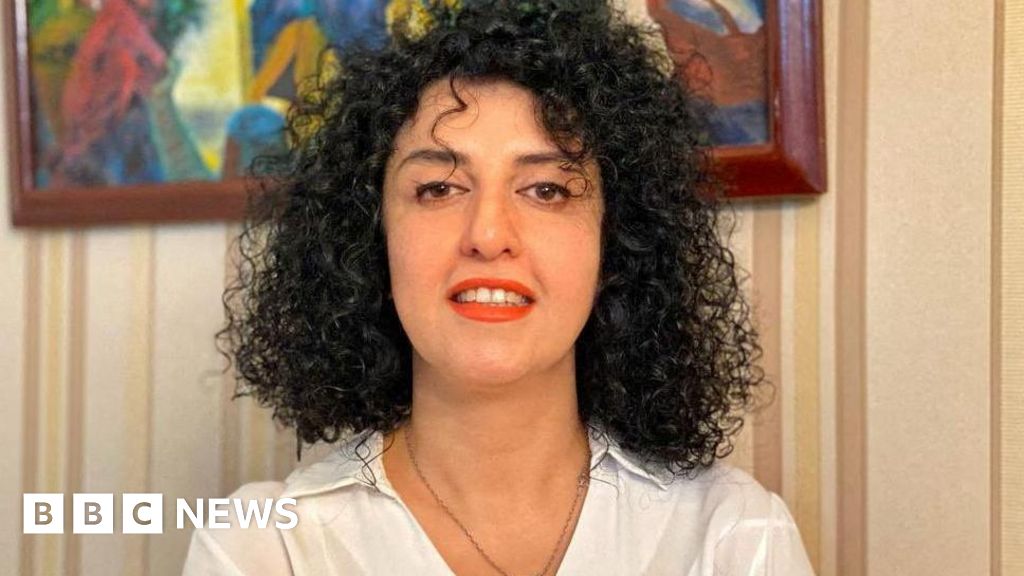
In a rare concession, Iranian authorities have granted bail to imprisoned Nobel Peace Prize winner Narges Mohammadi, following mounting international pressure over her deteriorating health. The decision comes after months of protests from human rights groups, who warned that the 51-year-old activist—jailed for her outspoken criticism of Iran’s regime—was being denied adequate medical care. Mohammadi’s release, though temporary, underscores the Iranian government’s vulnerability to global scrutiny, even as it continues its brutal crackdown on dissent.
The case has reignited debates over Iran’s treatment of political prisoners and the effectiveness of international pressure in securing their freedom. With tensions already high over Iran’s nuclear ambitions and its role in regional conflicts, Mohammadi’s plight serves as a stark reminder of the regime’s disregard for human rights—and the world’s limited power to stop it.
Who Is Narges Mohammadi?
Narges Mohammadi is one of Iran’s most prominent human rights defenders, known for her relentless advocacy against the death penalty, gender apartheid, and state violence. A physicist by training, she has spent much of her adult life in and out of prison, facing repeated arrests since the late 2000s.
Her most recent imprisonment began in 2021, when she was sentenced to over 10 years on charges of “spreading propaganda” and “defaming the state.” Despite harsh conditions, Mohammadi continued her activism from behind bars, smuggling out letters detailing abuse in Iran’s prisons and organizing protests among inmates. Her courage earned her the 2023 Nobel Peace Prize, further amplifying global attention on Iran’s repression.
A Health Crisis Behind Bars
Mohammadi’s bail follows reports that she was suffering from severe heart and lung conditions, exacerbated by deliberate medical neglect. Prison authorities allegedly denied her access to specialists, withheld medication, and ignored her worsening symptoms—a common tactic used to pressure political detainees.
Human Rights Watch and Amnesty International had issued urgent appeals, warning that her life was at risk. The UN High Commissioner for Human Rights also condemned Iran’s treatment of Mohammadi, calling it “tantamount to torture.”
Her temporary release suggests Tehran may be attempting to deflect criticism, particularly as Western nations weigh further sanctions over Iran’s human rights abuses and military support for Russia in Ukraine.
Why This Matters Globally
Mohammadi’s case is not an isolated incident but part of a broader pattern of repression in Iran. Since the 2022 protests sparked by Mahsa Amini’s death in custody, the regime has executed dissidents at an alarming rate and intensified its persecution of women.
Yet her release—however conditional—reveals the regime’s sensitivity to international pressure. With Iran seeking to avoid further isolation, especially amid stalled nuclear talks, high-profile cases like Mohammadi’s force the world to confront Tehran’s abuses.
For Western governments, the dilemma remains: how to hold Iran accountable without pushing it deeper into alliances with Russia and China. Meanwhile, global human rights organizations argue that silence only emboldens the regime.
What Happens Next?
While Mohammadi’s bail offers temporary relief, her long-term safety remains uncertain. Iranian activists released on bail often face re-arrest, extended sentences, or new charges. Past cases, such as that of Nasrin Sotoudeh—another jailed lawyer briefly freed before being imprisoned again—suggest Tehran’s concessions are tactical, not sincere.
The international community must now decide whether to escalate pressure or seek diplomatic engagement. The EU and US have condemned Iran’s rights record, but tougher actions, such as targeted sanctions on prison officials, could increase leverage.
For now, Mohammadi’s freedom—however fleeting—serves as a fragile victory in a much larger struggle.
A Test of Conscience for the World
Narges Mohammadi’s ordeal is more than a personal tragedy; it is a litmus test for global justice. If the world allows Iran to silence its bravest voices without consequence, it sends a dangerous message to authoritarian regimes everywhere.
Her release, though welcome, must not be mistaken for reform. The fight for her permanent freedom—and for the thousands still imprisoned in Iran—is far from over. As long as Tehran’s prisons remain filled with activists, journalists, and ordinary citizens demanding basic rights, the international community’s work remains unfinished.
The question now is whether the world will act—or look away once more.
