



Global Outbreak Alert: MV Hondius Passengers Quarantined in Paris Amid Rising Biosecurity Concerns
Breaking: France Imposes Indefinite Quarantine on Cruise Ship Passengers
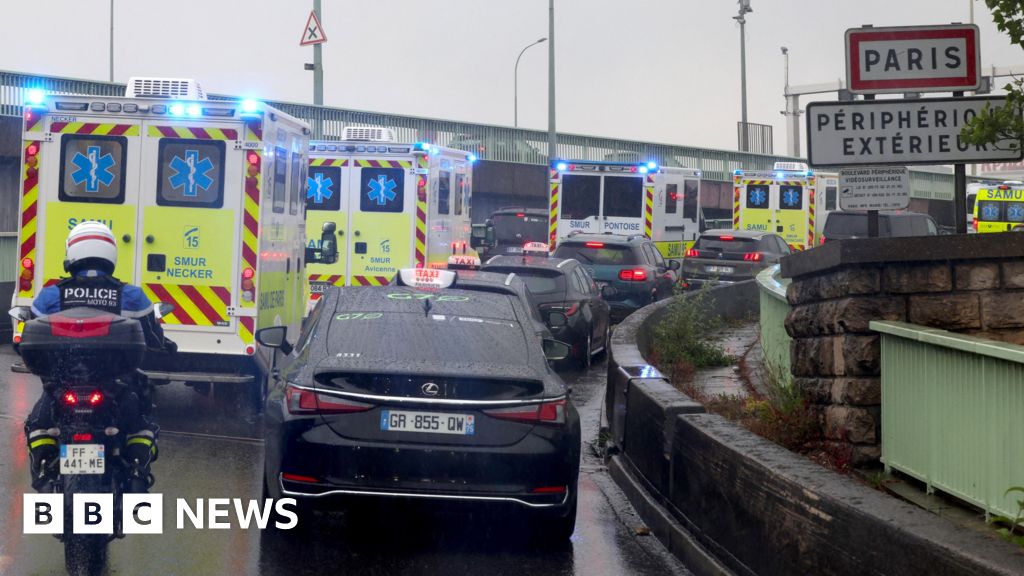
In a dramatic escalation of global biosecurity measures, five passengers from the cruise ship MV Hondius have been ordered into indefinite quarantine in Paris by French authorities. Prime Minister Gabriel Attal confirmed the decision late Tuesday, citing “unresolved health risks” but stopping short of specifying the exact nature of the threat. The move has reignited fears of another pandemic-era lockdown scenario, with governments worldwide monitoring the situation closely.
The MV Hondius, a polar expedition vessel operated by Dutch company Oceanwide Expeditions, had recently completed an Antarctic voyage before docking in France. The sudden quarantine order raises urgent questions about potential pathogen exposure, international travel protocols, and whether this incident signals a new wave of border restrictions.
Why This Quarantine Matters: A Global Security Perspective
The decision to isolate these passengers indefinitely—without a clear public explanation—has sent shockwaves through international health and security circles. In a post-COVID world, even minor outbreaks can trigger disproportionate economic and political consequences. Key concerns include:
- Travel Industry Fallout: Cruise lines, still recovering from pandemic losses, face renewed scrutiny. Shares in major operators dipped following the announcement.
- Border Policy Ripple Effects: Will other nations follow France’s lead? The EU’s disease control agency (ECDC) is reportedly assessing the risk.
- Transparency Issues: Governments are walking a tightrope between public safety and civil liberties when enforcing quarantines without full disclosure.
This incident also underscores the fragility of global supply chains. If additional ports enact emergency measures, shipping delays could disrupt everything from pharmaceuticals to perishable goods.
Background: A History of Cruise Ship Health Crises
The MV Hondius quarantine is not an isolated event. Cruise ships have long been hotspots for disease transmission due to close quarters and international passenger mixes. Notable precedents include:
- 2020’s Diamond Princess: Over 700 COVID-19 cases exposed flaws in maritime quarantine protocols.
- 2019’s Norovirus Outbreaks: Multiple ships faced sanitation scandals, leading to stricter CDC inspections.
France’s aggressive response suggests lessons were learned—but at what cost to personal freedoms? Legal experts warn that indefinite detention without explicit cause could set a dangerous precedent.
Global Reactions: From Alarm to Skepticism
While the WHO has yet to classify the MV Hondius incident as an emergency, governments are reacting cautiously:
- Germany & Italy: Enhanced screenings for recent cruise passengers.
- UK: No immediate policy changes, but the Foreign Office updated travel advisories.
- US CDC: Monitoring but maintains “low immediate risk.”
Meanwhile, social media speculation runs rampant, with unverified claims ranging from bioterrorism fears to undisclosed viral mutations. French officials have dismissed “alarmist theories,” urging calm until test results are finalized.
The Bigger Picture: Are We Prepared for the Next Pandemic?
This quarantine comes as the World Health Organization finalizes a landmark pandemic treaty, aiming to standardize global responses. Critics argue that fragmented policies—like France’s unilateral action—could undermine such efforts. Key unresolved issues include:
- Data Sharing: Will nations disclose outbreaks faster, or will secrecy persist?
- Enforcement: Can the WHO mandate quarantines, or will sovereignty disputes paralyze responses?
- Public Trust: How do leaders balance transparency with preventing panic?
With climate change accelerating pathogen spread and antibiotic resistance growing, the MV Hondius incident may be a stress test for future crises.
Conclusion: A Wake-Up Call for Global Health Security
As the five passengers remain in isolation, the world watches—not just for their test results, but for what this moment signifies. Are we sliding back into knee-jerk lockdowns, or is this a justified precaution in an era of unpredictable threats? One thing is certain: in our interconnected world, a quarantine in Paris doesn’t stay in Paris. Its repercussions will ripple across borders, industries, and public consciousness, forcing a renewed debate on how far societies should go in the name of collective safety.
For now, the MV Hondius serves as a stark reminder: global health security is only as strong as its weakest link.
