



The Battle for Sunbeds: A Global Microcosm of Resource Scarcity and Human Behavior
The Holiday Dilemma: Sunbed Wars Escalate at Resorts Worldwide
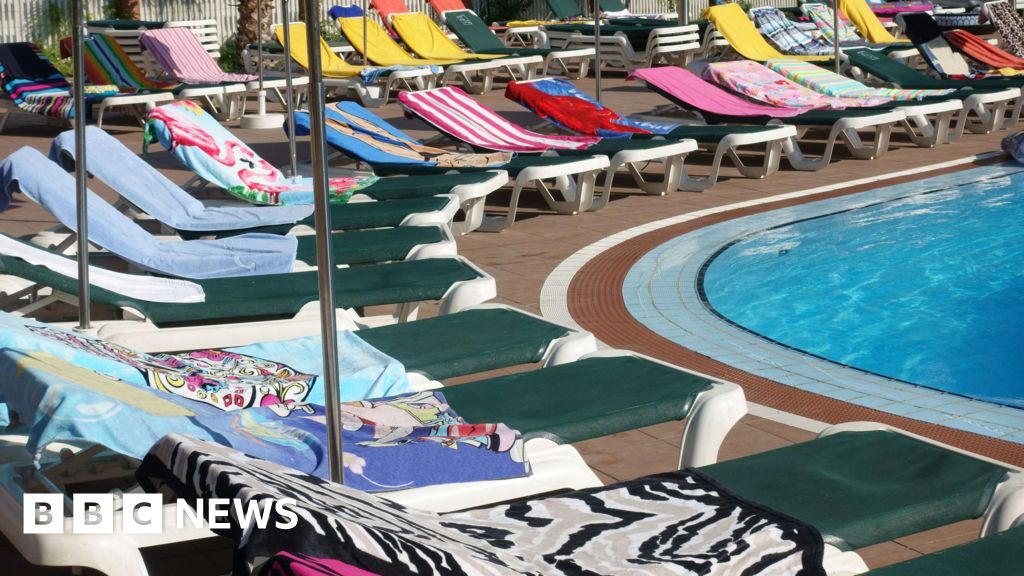
The serene beaches of luxury resorts have become an unlikely battleground, as tourists clash over a seemingly trivial yet fiercely contested resource: the sunbed. From the Mediterranean coast to the Caribbean shores, the “sunbed scramble” has reached new heights, prompting resorts to implement strict allocation rules to curb the age-old practice of reserving loungers with towels. What may appear as a trivial holiday inconvenience is, in fact, a microcosm of broader global issues—resource scarcity, socio-economic disparities, and human behavior under stress.
The Rules of Engagement: Resort Policies Take Center Stage
In recent weeks, several high-profile resorts have introduced stringent measures to address the escalating tensions around sunbed usage. Policies range from timed allocations—where sunbeds are only available for specific periods—to outright bans on reserving loungers with personal items like towels or books.
One resort in Mallorca, Spain, has adopted a “first-come, first-served” approach, with staff removing unattended items after 30 minutes. Similarly, a luxury retreat in the Maldives has introduced a digital booking system, allowing guests to reserve sunbeds via an app. These measures aim to ensure fairness and reduce early-morning chaos, but they have also sparked mixed reactions among travelers.
Some guests applaud the rules, citing long-standing frustrations over “sunbed hogging,” while others argue that the policies infringe on their vacation freedoms. “I’m paying thousands for this holiday, and now I have to worry about losing my spot by the pool?” complained one disgruntled tourist at a Greek resort.
Global Context: A Reflection of Resource Scarcity
The sunbed wars are not merely a holiday annoyance; they mirror broader global challenges. In an era of increasing resource scarcity—whether it’s clean water, arable land, or even parking spaces—the competition for limited resources often leads to conflict.
Recent studies on human behavior have shown that people tend to act defensively when resources are perceived as scarce, leading to heightened stress and aggression. Psychologists liken the sunbed scramble to phenomena like the “Black Friday shopping frenzy” or the rush for vaccine appointments during the COVID-19 pandemic. In each case, the fear of missing out drives individuals to act irrationally or selfishly, often at the expense of others.
The resort industry itself is also grappling with capacity issues. Post-pandemic travel demand has surged, with many hotels operating at full capacity. This overcrowding exacerbates tensions, as guests vie for prime spots by the pool or beach.
Why It Matters: Lessons Beyond the Beach
The sunbed scramble may seem inconsequential, but it offers valuable insights into human behavior and societal dynamics. Firstly, it highlights the challenges of managing shared resources in a fair and equitable manner. Whether it’s a sunbed or a public park bench, the principles of allocation and access are universal.
Secondly, the phenomenon underscores the impact of socio-economic disparities. At luxury resorts, wealthier guests often secure the best spots, leaving others to settle for less desirable locations. This mirrors broader global inequalities, where access to resources is often dictated by wealth and privilege.
Lastly, the sunbed wars serve as a reminder of the importance of empathy and cooperation. In an increasingly interconnected world, the ability to share resources harmoniously is essential for maintaining social cohesion.
Industry Response: Balancing Fairness and Guest Satisfaction
Resort operators face a delicate balancing act in addressing the sunbed issue. On one hand, they must ensure fairness and prevent conflicts among guests. On the other, they must maintain high levels of customer satisfaction, especially given the premium prices many charge.
Industry experts suggest that innovative solutions, such as digital booking systems or tiered access based on room categories, could help alleviate tensions. However, these measures must be implemented thoughtfully to avoid alienating guests.
“Innovation is key, but so is communication,” says Sarah Thompson, a hospitality consultant. “Resorts need to clearly explain the rules and the reasons behind them, so guests understand the bigger picture.”
A Global Phenomenon: From Resorts to Urban Spaces
The sunbed scramble is not confined to luxury resorts; it’s a metaphor for broader societal challenges. In cities worldwide, the competition for resources—whether it’s housing, public transport, or even Wi-Fi—often leads to similar tensions.
For example, in rapidly urbanizing cities like Mumbai or Lagos, the struggle for space has sparked conflicts over everything from parking spots to street food stalls. These disputes, like the sunbed wars, reflect the growing pressures of population density and resource scarcity.
Conclusion: A Lesson in Sharing and Humanity
As the summer travel season peaks, the sunbed scramble serves as a poignant reminder of the complexities of human behavior and resource management. While the issue may seem trivial, it encapsulates broader global challenges—scarcity, inequality, and the need for cooperation.
In a world increasingly defined by competition, the humble sunbed offers a lesson in empathy and shared responsibility. Whether on vacation or in daily life, the ability to navigate conflicts over resources with grace and fairness will determine our collective future. In the end, the sunbed wars are not just about loungers; they are about how we, as a global community, choose to coexist in an increasingly crowded and contested world.
