


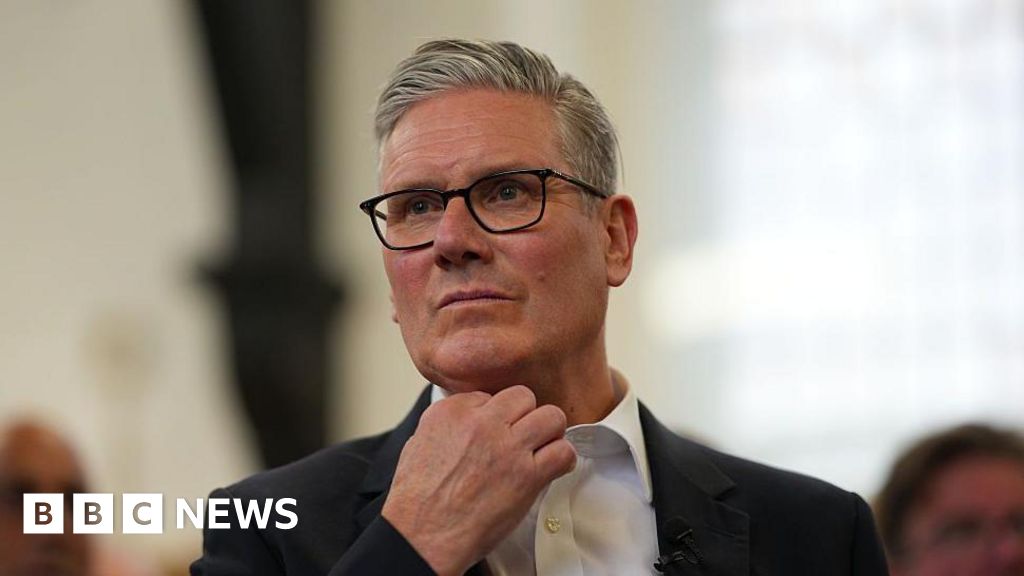

UK’s Starmer Vows to Reset Ties with Europe Amid Global Security Shifts
By [Your Name], Global Security Correspondent
A Defiant Pledge in Uncertain Times
Against a backdrop of escalating global conflicts and shifting alliances, UK Labour leader Sir Keir Starmer delivered a forceful commitment to rebuild Britain’s fractured relationship with Europe. Speaking on Monday, Starmer framed his vision as not just a domestic policy shift but a strategic realignment with profound implications for global security, trade, and diplomacy. His remarks come at a pivotal moment—as wars rage in Ukraine and the Middle East, economic instability spreads, and Western unity faces unprecedented strain.
A Fractured Partnership in a Divided World
The UK’s relationship with Europe has been strained since Brexit, with lingering disputes over trade, migration, and defense cooperation. Starmer’s speech signals a potential thaw, emphasizing collaboration on shared threats like climate change, cybersecurity, and Russian aggression. Analysts warn that without stronger European ties, the UK risks isolation as power blocs consolidate—whether NATO’s eastern expansion, China’s economic influence, or the Global South’s non-aligned stance.
Globally, the timing is critical. The U.S. faces political uncertainty ahead of its election, France grapples with far-right gains, and Germany’s coalition wobbles. A reinvigorated UK-EU partnership could bolster Western cohesion, particularly as authoritarian regimes exploit divisions. “This isn’t just about tariffs or treaties,” said Dr. Elena Moretti of the European Council on Foreign Relations. “It’s about whether democracies can present a united front in an era of disruption.”
Why It Matters Beyond Britain
- Security at Stake: With NATO members increasing defense spending, the UK’s role in European security—from intelligence-sharing to joint missions—is pivotal. A stronger alliance could deter adversaries like Russia, which has intensified hybrid warfare across the continent.
- Economic Ripples: Post-Brexit trade barriers have cost billions. Closer EU ties could stabilize supply chains and inflation, impacting global markets.
- Migration Pressures: As conflicts displace millions, coordinated EU-UK policies are vital to manage flows and far-right backlash.
Challenges Ahead
Starmer’s ambitions face hurdles: Euroskeptic sentiment lingers in Britain, and EU leaders demand concessions. Meanwhile, crises like Ukraine’s ammunition shortages and Sahel jihadist gains demand immediate action—testing any renewed partnership.
A Closing Window for Unity
As Starmer’s words reverberate, the question isn’t just about Britain’s future—it’s about whether a fractured West can adapt to a world where alliances are constantly redrawn. In an age of brinkmanship, his pledge may mark the first step toward reforging a critical bond—or a missed chance to secure stability before the next crisis erupts.
—Reporting with contributions from Berlin, Brussels, and Washington.
