



Macron Rebukes Audience at Africa Summit Amid France’s Push for Stronger Continental Ties
A Tense Moment in Nairobi
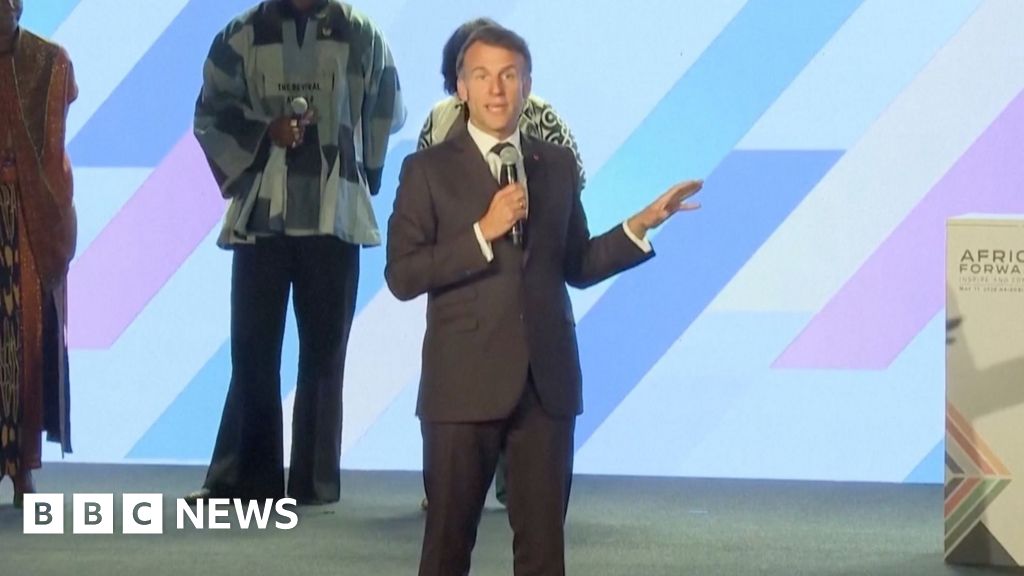
NAIROBI—French President Emmanuel Macron abruptly interrupted a speaker at the Africa Forward summit in Kenya this week, chastising attendees for their “total lack of respect” as private conversations drowned out proceedings. The moment, captured on video and swiftly circulating online, underscored the high-stakes nature of France’s diplomatic offensive in Africa—a continent where Paris has faced growing skepticism over its influence.
Macron, visibly frustrated, urged disruptive participants to take their discussions outside, emphasizing the importance of the summit’s agenda. The incident occurred as more than 30 African leaders, executives, and entrepreneurs gathered in Nairobi to discuss economic partnerships, security cooperation, and France’s evolving role in a region increasingly courted by global powers like China and Russia.
France’s Strategic Pivot to Africa
The Africa Forward summit marks a critical juncture for France, which has sought to recalibrate its relationship with African nations amid waning trust. Historically, France maintained strong military and economic ties with its former colonies, but anti-French sentiment has surged in recent years, particularly in the Sahel, where coups have ousted governments allied with Paris.
Macron’s administration has attempted a softer approach, emphasizing investment, cultural exchange, and support for African-led security initiatives. However, the Nairobi summit’s awkward interruption highlights the delicate balance France must strike—asserting leadership while avoiding perceptions of paternalism.
Global Competition for African Alliances
France is not alone in its scramble for influence. China’s Belt and Road Initiative has poured billions into African infrastructure, while Russia’s Wagner Group has expanded its security footprint in unstable regions. The U.S. and EU have also ramped up engagement, framing their involvement as a democratic counterweight to authoritarian partnerships.
Against this backdrop, Macron’s sharp reprimand may resonate beyond the conference hall. Analysts suggest that France’s ability to reposition itself hinges on delivering tangible benefits—trade deals, climate financing, and security support—without the baggage of past interventions.
Why This Matters Beyond Africa
Africa’s strategic importance is undeniable. The continent boasts the world’s youngest population, vast natural resources, and a growing geopolitical voice. How global powers engage with African nations will shape everything from migration patterns to energy security and the balance of power in multilateral institutions.
For France, losing ground in Africa would diminish its status as a global player. For the West, ceding influence to rivals like Russia and China could redefine security and economic alliances for decades. Macron’s visible frustration in Nairobi is a microcosm of these broader tensions—a moment where diplomacy’s polite façade cracked under the weight of competing ambitions.
A Test of Macron’s Vision
The French president has positioned himself as a bridge between Europe and Africa, advocating for partnerships built on mutual respect rather than post-colonial dynamics. Yet incidents like the Nairobi exchange reveal the challenges of this rebranding. African leaders, while open to investment, increasingly demand equal footing in negotiations.
As the summit continues, all eyes will be on whether Macron’s pledges translate into action—or if frustration on both sides deepens the divide.
Conclusion: A Diplomatic Flashpoint with Far-Reaching Consequences
The brief but telling confrontation in Nairobi is more than a viral moment—it’s a snapshot of the shifting power dynamics in 21st-century geopolitics. France’s struggle to maintain influence, Africa’s assertive new leadership, and the intensifying scramble for partnerships all converge in such high-profile forums.
If Macron succeeds in resetting France’s relationship with Africa, it could reinvigorate European engagement worldwide. If he fails, the vacuum will be filled by others. Either way, the outcome will reverberate far beyond the summit’s closing ceremonies.
