



The High-Stakes Human Smuggling Networks Fueling Europe’s Migration Crisis
A Deadly Trade in Desperation
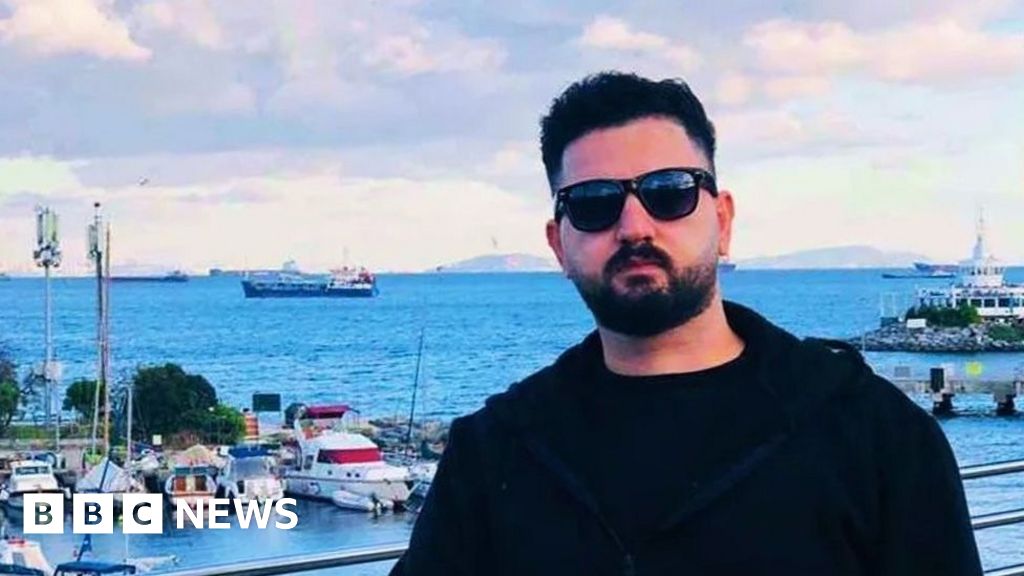
Under the cover of darkness, a group of migrants huddles inside a cramped truck, their breaths shallow with fear. They have paid thousands—some their life savings—for a chance to reach the UK, entrusting their fate to smugglers who promise safety but deliver peril. Among the most notorious of these networks is one led by Kardo Ranya, a shadowy figure whose operation charges up to €17,000 (£15,000) per person for a journey from Iraq to Britain. While competitors offer cheaper routes, Ranya’s clients pay a premium for what is marketed as a “VIP service”—a claim that often collapses under the brutal realities of human trafficking.
This is not an isolated case. Across Europe, sophisticated smuggling rings continue to exploit the desperation of migrants fleeing war, poverty, and persecution, turning human misery into a multi-billion-euro industry. As governments struggle to curb illegal crossings, the demand for these dangerous voyages only grows—raising urgent questions about global security, human rights, and the failures of international policy.
The Business of Smuggling: Profit Over Lives
Human smuggling has evolved into a highly organized enterprise, with networks operating like transnational corporations. According to law enforcement agencies, Kardo Ranya’s operation is just one node in a sprawling web of facilitators, corrupt officials, and transport providers stretching from the Middle East to Western Europe.
A former smuggler familiar with Ranya’s network revealed that despite charging significantly more than rivals, the group maintains a steady flow of clients. “People still go to him,” the source said, underscoring migrants’ willingness to pay exorbitant fees for perceived safety. The promise of a “VIP” route—often involving less-crowded boats, forged documents, or bribed border guards—lures those who can scrape together the funds.
But these guarantees are frequently hollow. Migrants report being abandoned mid-journey, forced into debt bondage, or even sold to other criminal groups. The risks are deadly: in 2023 alone, over 2,500 people drowned attempting to cross the Mediterranean, according to the International Organization for Migration (IOM).
Global Context: Why Migration Routes Are Booming
The surge in smuggling activity is inextricably linked to global instability. Conflicts in Iraq, Syria, and Afghanistan, coupled with economic collapse in countries like Venezuela and Sudan, have displaced millions. Meanwhile, restrictive asylum policies in Europe and the UK—such as the Rwanda deportation scheme—have pushed migrants toward illegal channels rather than deterring them.
The UK remains a prime destination due to its strong economy, established diaspora communities, and perceived rule of law. However, the journey is fraught with danger. Many migrants traverse multiple borders, often on foot, before reaching the English Channel—where overcrowded dinghies and ruthless smugglers await.
European nations have poured billions into border security, yet smuggling networks adapt swiftly. When one route is shut down, another emerges. The EU’s Frontex agency has reported a 64% increase in illegal border crossings in 2023 compared to the previous year, signaling the resilience of these criminal enterprises.
Why This Matters Beyond Borders
The implications of human smuggling extend far beyond individual tragedies. These networks fuel corruption, undermine state sovereignty, and finance other illicit activities, including arms and drug trafficking. In some cases, they have been linked to terrorist groups exploiting migration routes to move operatives.
For destination countries, the strain on resources is immense. The UK’s asylum backlog has surpassed 175,000 cases, while reception centers in Italy and Greece are overwhelmed. Far-right political movements have seized on public frustration, stoking anti-immigrant sentiment and destabilizing governments.
Meanwhile, the human cost is incalculable. Families are extorted, lives are lost at sea, and survivors often face exploitation in underground economies. The UN estimates that human traffickers generate over $7 billion annually—a figure that underscores the scale of this crisis.
The Elusive Search for Solutions
Governments have struggled to dismantle smuggling networks without addressing the root causes of migration. Military operations, such as NATO’s anti-smuggling missions in the Mediterranean, have disrupted some routes but failed to stop the flow. Legal pathways for migration remain scarce, leaving many with no choice but to risk their lives.
Experts argue that a multi-pronged approach is needed: cracking down on financiers, improving international cooperation, and expanding refugee resettlement programs. Yet political will is lacking. Wealthy nations continue to prioritize border militarization over humanitarian solutions, perpetuating the cycle of smuggling and suffering.
A Crisis Without End in Sight
As long as war, poverty, and climate disasters persist, so too will the demand for smugglers like Kardo Ranya. His network, and countless others like it, thrive on the desperation of those with nowhere else to turn. The real VIP service these migrants seek is not luxury—it is survival.
Until the world addresses the inequalities and conflicts driving mass displacement, the smuggling industry will continue to profit from human despair. And for every journey that ends in safety, countless others will end in tragedy—lost at sea, locked in detention, or buried in unmarked graves far from home. The question is not whether this crisis will worsen, but whether the international community will finally take meaningful action before it does.
