


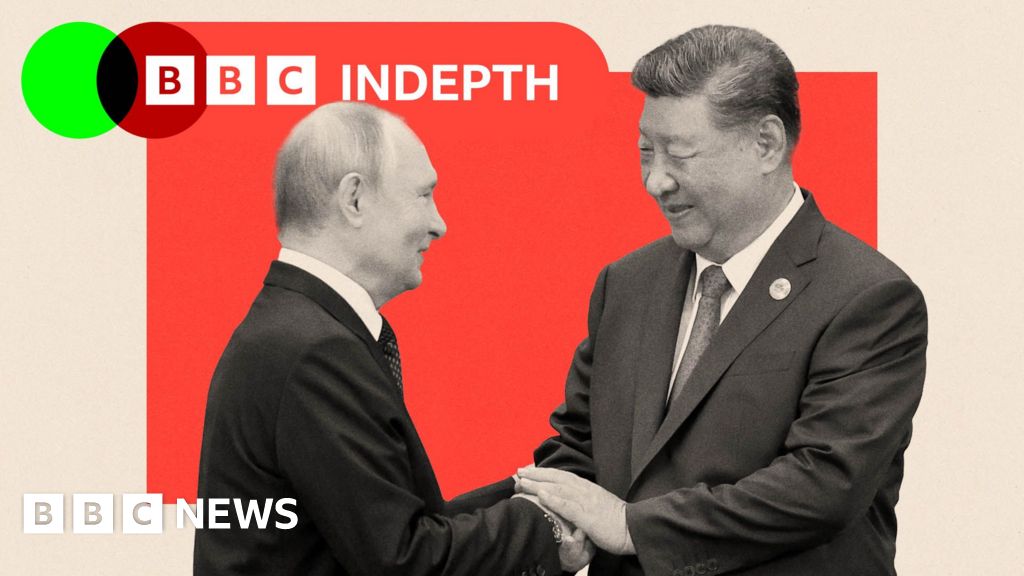

Russia and China Forge Unshaken Alliance Amid Western Criticism
A Defiant Partnership in a Divided World
As Western powers impose sanctions and condemnations over human rights concerns, Russia and China stand firm in their strategic alliance, refusing to judge each other’s internal affairs. This unwavering solidarity comes despite global outcry over China’s alleged human rights violations in Xinjiang and Russia’s crackdown on dissent following the death of opposition leader Alexei Navalny. While the West grows increasingly wary of engaging with Moscow and Beijing, the two nations continue to deepen their political, economic, and military ties—reshaping global power dynamics in ways that challenge Western dominance.
The West’s Moral Stand vs. Pragmatic Autocracies
The U.S. and European nations have long framed foreign policy around democratic values, using sanctions and diplomatic pressure to penalize human rights abuses. However, Russia and China reject this approach, dismissing Western criticism as hypocritical interference.
- China’s Xinjiang Controversy: The U.S. and allies accuse Beijing of mass surveillance, forced labor, and repression of Uyghur Muslims—claims China denies, calling them fabricated narratives to contain its rise.
- Russia’s Authoritarian Crackdown: The death of Navalny in a Siberian prison drew global condemnation, yet Moscow dismisses Western outrage as politically motivated.
Unlike Western alliances, which often hinge on shared democratic principles, the Russia-China partnership thrives on mutual strategic interests—energy deals, military cooperation, and a shared goal of countering U.S. influence.
Why This Alliance Matters Globally
The deepening ties between Moscow and Beijing have far-reaching implications:
- Economic Resilience: Western sanctions have pushed Russia and China closer, with trade hitting record highs. China buys discounted Russian oil, while Moscow relies on Chinese tech to bypass export restrictions.
- Military Cooperation: Joint naval drills and arms sales signal a growing defense partnership, challenging NATO’s dominance in Europe and U.S. influence in the Indo-Pacific.
- Diplomatic Shield: By refusing to criticize each other, both nations neutralize Western attempts to isolate them diplomatically.
This alliance complicates efforts to hold either nation accountable, as they provide each other with political cover in international forums like the UN.
A New World Order in the Making?
The West’s strategy of isolating Russia and pressuring China has had unintended consequences—accelerating the formation of an alternative geopolitical bloc. BRICS (Brazil, Russia, India, China, South Africa) is expanding, offering developing nations an alternative to Western-led institutions. Meanwhile, the Russia-China axis is reshaping global supply chains, currency systems, and security alliances.
Experts warn that if this trend continues, the U.S. and EU may face a world where their influence is no longer unrivaled. The question is whether Western powers can adapt—or if they will remain locked in a cycle of sanctions that push adversaries closer together.
Conclusion: A Test of Western Strategy
The unshaken bond between Russia and China underscores a harsh reality: moral condemnation alone cannot reshape global power structures. As autocratic regimes grow more interconnected, the West must decide whether to double down on isolation or seek new strategies to engage a changing world. One thing is certain—the era of unchallenged Western dominance is fading, and the future of global security hinges on how democracies respond.
